What SDI is
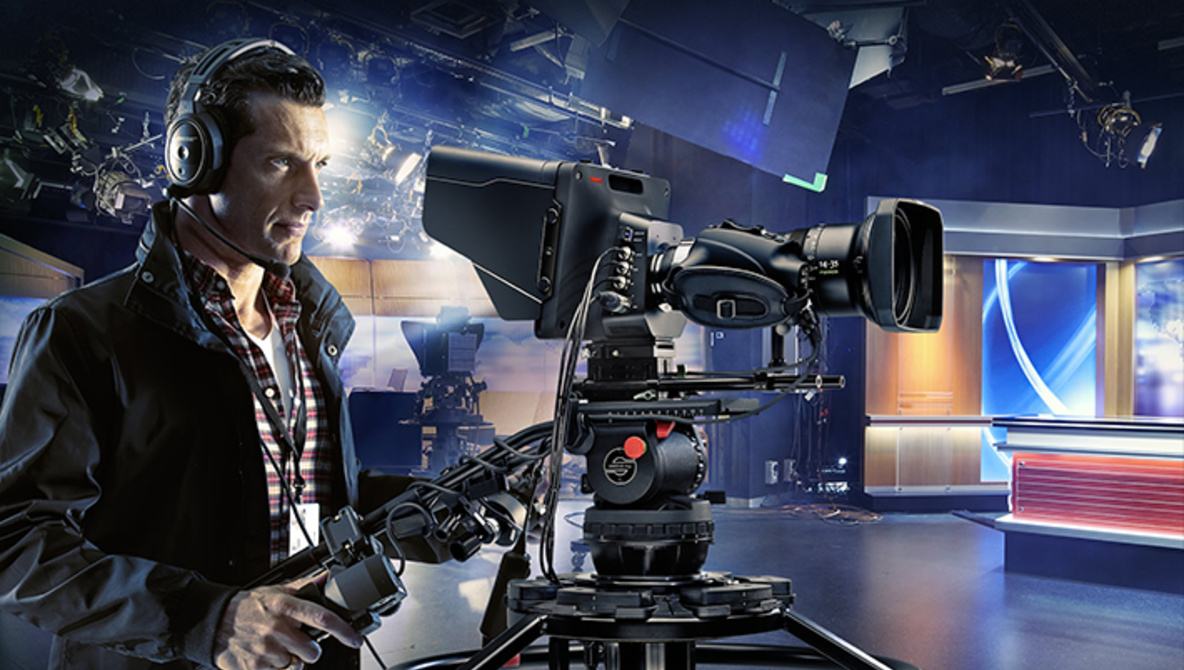
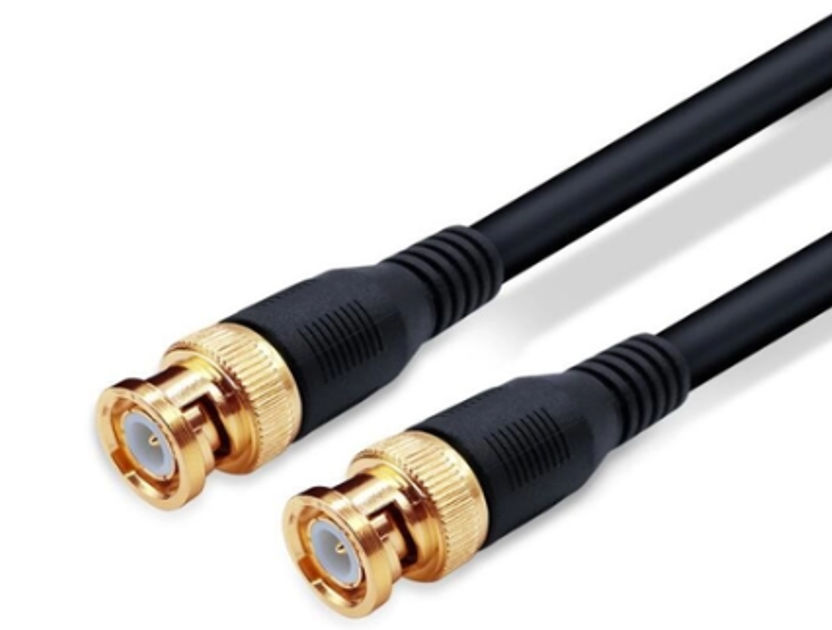
SDI (serial digital interface) is the standard way to move uncompressed video and embedded audio around a broadcast facility, an outside broadcast truck or a live event. It runs on 75 ohm coaxial cable with BNC connectors, which lock with a quarter-turn bayonet and do not pull out when someone trips on the cable. That locking connector and the long reach are why studios, newsrooms and event crews choose SDI over consumer interfaces.
The SDI grades
SDI has grown with each new video format. The grade you need is set by the highest resolution and frame rate you plan to carry.
| Grade | Standard | Data rate | Carries |
|---|---|---|---|
| SD-SDI | SMPTE 259M | 270 Mb/s | Standard definition |
| HD-SDI | SMPTE 292 | 1.485 Gb/s | 720p, 1080i |
| 3G-SDI | SMPTE 424M | 2.97 Gb/s | 1080p at 50 or 60 fps |
| 6G-SDI | SMPTE ST 2081 | 5.94 Gb/s | 2160p at 30 fps |
| 12G-SDI | SMPTE ST 2082 | 11.88 Gb/s | 2160p at 50 or 60 fps |
How far SDI really reaches
Older articles, including the first version of this one, say SDI runs “up to 100 metres”. That is true for HD-SDI on good cable, but it is not a single number. Higher data rates lose more signal per metre, so the reach falls as the grade rises. Typical figures for a quality RG6-class 75 ohm cable, with a good receiving equaliser, are about 300 m for SD-SDI, 100 to 140 m for HD-SDI, 70 to 100 m for 3G-SDI and 30 to 70 m for 12G-SDI. Thinner RG59 and mini coax reach noticeably less. Always check the cable maker’s tables for the exact cable you are buying.
SDI vs HDMI
The original post also contradicted itself on HDMI, quoting both “around 10 metres” and “30 to 40 metres”. Here is the corrected picture. Passive copper HDMI is reliable to roughly 10 to 15 m at 1080p, about 5 m at 4K 60 (18 Gb/s), and only a few metres for 8K-capable 48 Gb/s cables. Longer passive HDMI cables exist, but they are a gamble at high resolutions. Active optical HDMI cables change that, running tens of metres and commonly up to 100 m.
| SDI | HDMI (passive copper) | |
|---|---|---|
| Typical use | Studios, OB, live events, CCTV | Displays, laptops, playback, presentation |
| Reach | About 100 m at HD, 30 to 70 m at 12G | About 10 to 15 m at 1080p, about 5 m at 4K 60 |
| Connector | Locking BNC | Friction-fit HDMI |
| Field repair | Re-terminate a BNC | Replace the cable |
If you need a long, locking, professional signal path, SDI is the better choice. If the source only has HDMI and the run is long, use an active optical HDMI cable or convert to SDI.
What to check when you buy
- Impedance: the cable and every BNC must be true 75 ohm. A 50 ohm BNC on an SDI line causes reflections that show up as sparkles or dropouts at 3G and 12G.
- Rating: buy cable and connectors rated for the highest grade you will run, not the one you run today.
- Termination quality: a poor crimp or a nicked centre conductor degrades the signal as much as extra length. Ask how cables are tested.
- Jacket: flexible PVC for studio use; tougher jackets for touring and outdoor runs.
When to move to fiber
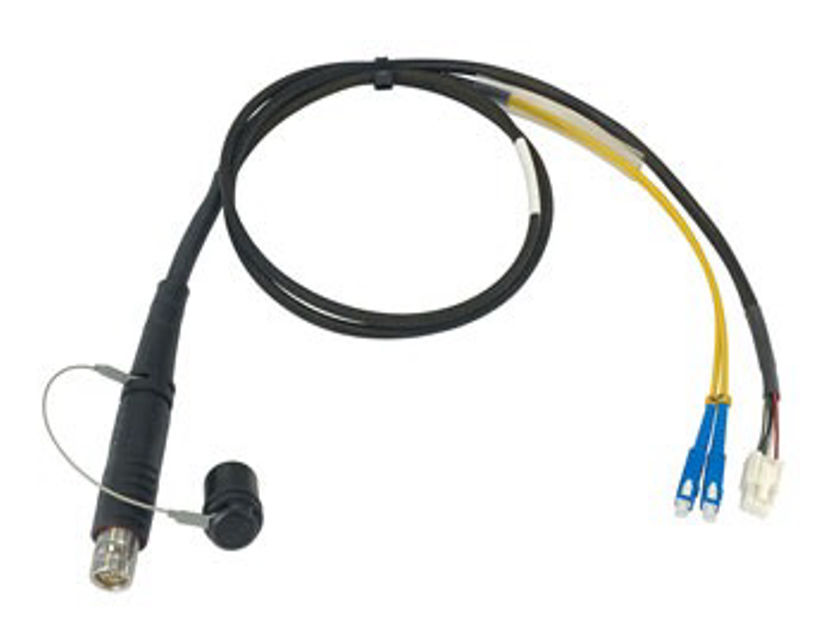
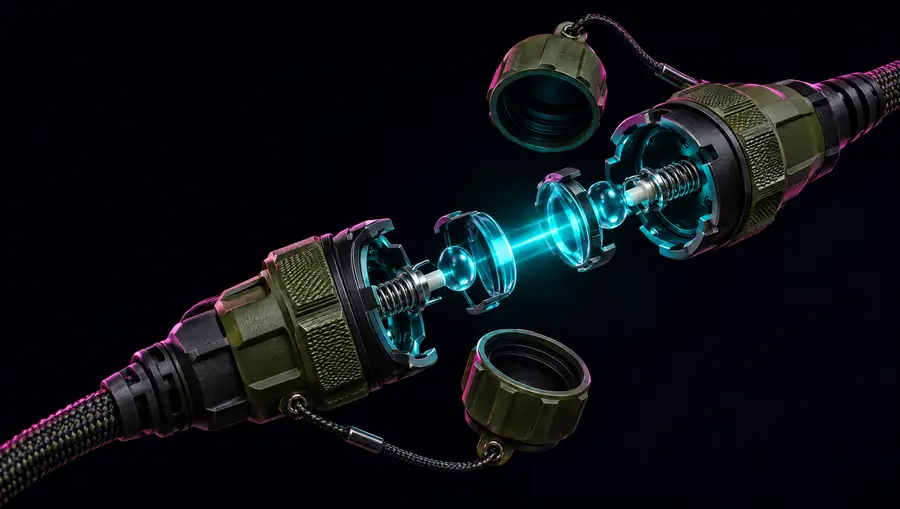
When the run is longer than the grade allows on coax, between buildings, or anywhere electrical isolation helps, put SDI onto fiber. A pair of SDI-to-fiber converters and a single-mode cable carry 12G-SDI for kilometres, and SMPTE 297 defines the optical interface. For camera positions, SMPTE 311M hybrid camera cable carries fiber and power together; see our guide to SMPTE 311M hybrid camera cable.
From our Mumbai workshop
Telespace builds SDI cables to length with 75 ohm BNC connectors, alongside fiber SDI links and hybrid camera cables, and tests each one before dispatch. Tell us the SDI grade, lengths and quantity and we will quote the right cable for the run.